







CinemaSerf
7
|
Nov 15, 2025
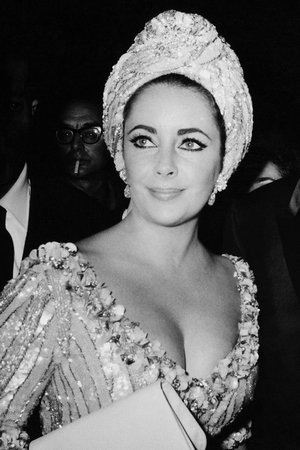
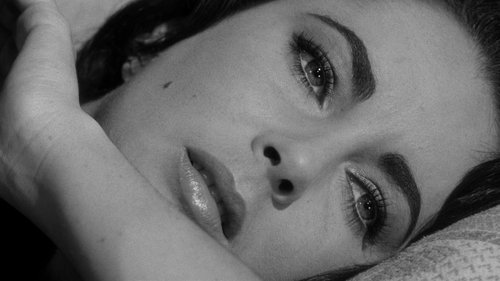
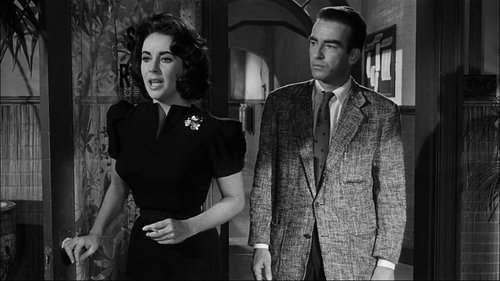
Simone Signoret pipped both of these women to the Oscar but Liz Taylor did take a Donatello for her powerful performance in this controversial psychological drama. She is the young “Miss Catherine” who looks like she is destined to go under the scalpel for a lobotomy. Why? Well her ostensibly well-meaning and very wealthy aunt “Violet” (Katharine Hepburn) is convinced that she is a danger to herself and those around her, and so is promising the ground-breaking young doctor “Cukrowicz” (Montgomery Clift) a million dollars for a new hospital building in return for him evaluating and then putting her neice out of her misery. Luckily for the patient, this doctor isn’t so much of a pushover and so determines to dig deeper into this woman’s history. That’s when he begins to learn more of a rather claustrophobic dynamic between “Violet”, her poet son “Sebastian” and this young woman with whom he went travelling once before his untimely, and largely unexplained, demise. Just what did happen and could it be the cause of the trauma for both of the women in his life? Whilst this isn’t really one of my favourite Tennessee Williams plays it does feature some of his best writing and this film really does benefit from a couple of powerfully delivered monologues from the excellent Hepburn, a few equally emotionally-charged ones from Taylor whilst both rather expertly squeeze Clift in as the jam in their respective versions of this same sandwich. One is obviously trying to manipulate the physician, but are both of them? The relationship between the unseen son and his mother has something of an incestuous Greek myth to it and that of the cousins something equally unnerving - especially as we build to a denouement where there are even the vaguest hints of mysticism and dubious sexuality rolled in, too. This plot deals solidly with a still fairly embryonic branch of medical science in quite a brutal fashion, too, as the occupants of the clinic demonstrate quite clearly the “pacifying” effects of this treatment on those who’ve gone before. Whether you believe her purported motives or not, there is something ruthless about the role of “Violet” that Hepburn masters and that Taylor’s “Catherine” convincingly struggles to resist. Whom do we trust? Well it’s the ending that I always found just too left-field and disappointing, but there are three actors at he top of their game here with some potent, and from Hepburn quite pithy, dialogue and I thought this quite gripping cinema.