



CinemaSerf
7
|
Jan 23, 2026
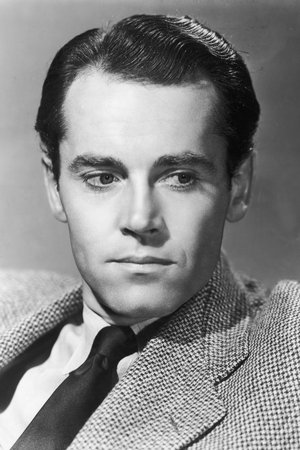
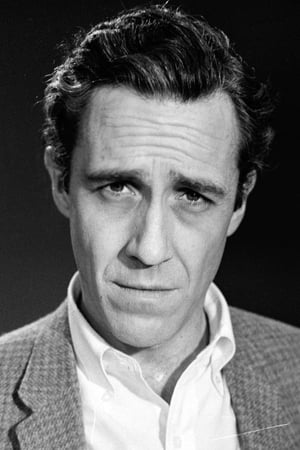
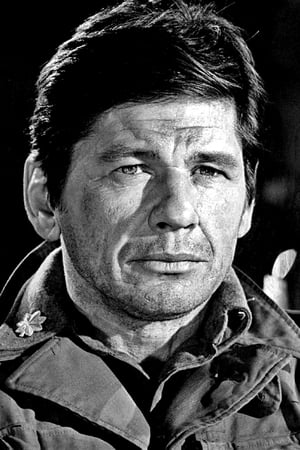
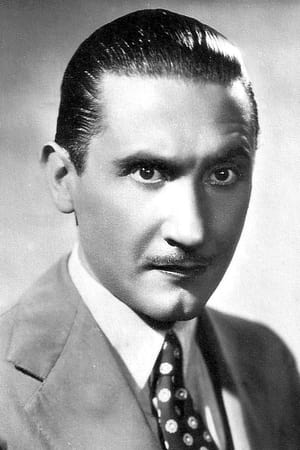
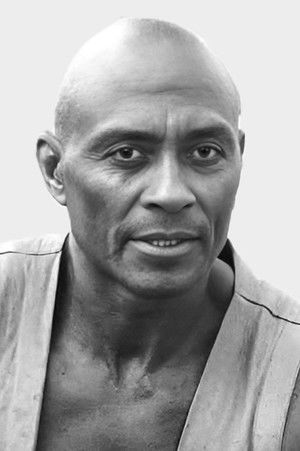
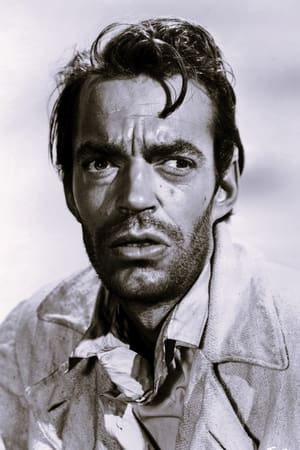
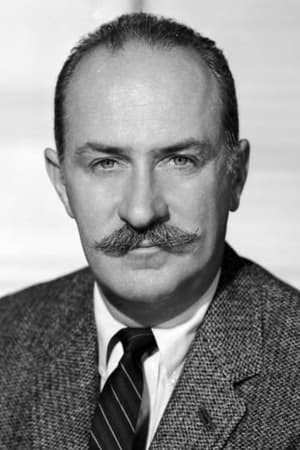
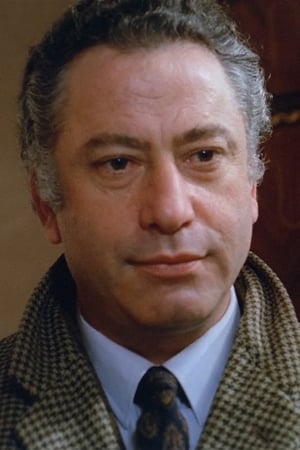
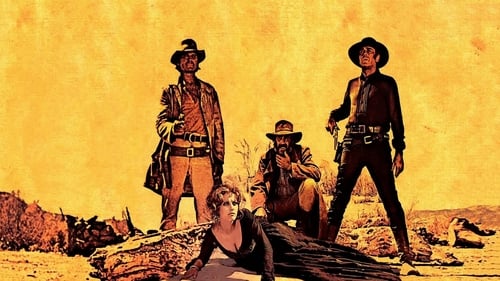
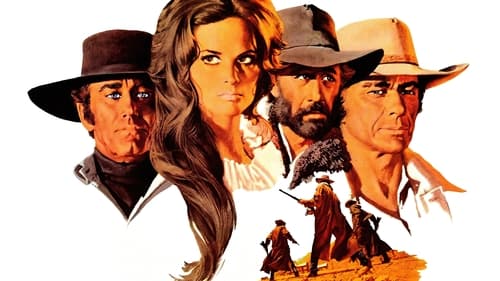
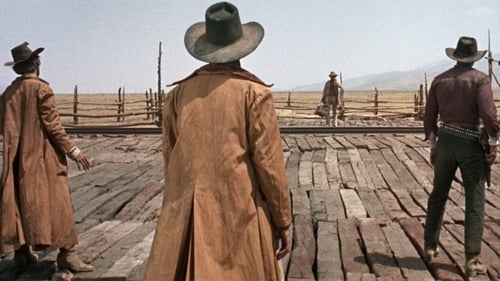
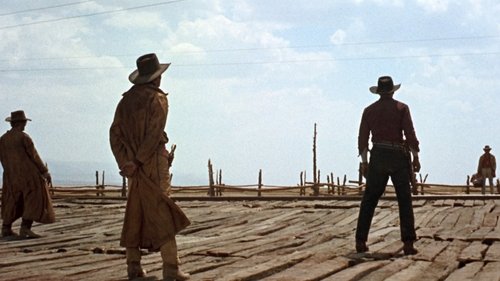
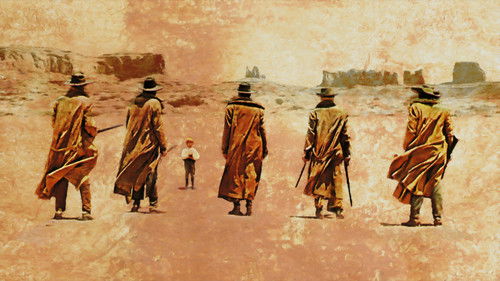
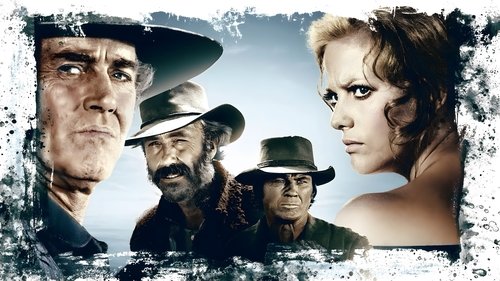
Now we know all along just who is responsible for the wholesale slaughter that “Jill” (Claudia Cardinale) encounters when she arrives to join her family on their frontier ranch. She’s devastated, all alone and distinctly wary of “Harmonica” (Charles Bronson) who doesn’t speak much, unless it’s with his instrument or with his pistol. What we do know of the crime is that it was instigated on behalf of a railroad owner “Morton” (Gabriele Ferzetti) who had engaged the services of “Frank” (Henry Fonda) and his longcoat assassins to ensure that their boss could acquire her family’s land for a song. Meantime, caught up all is these machinations is “Cheyenne” (Jason Robards) whom “Frank” is also trying to frame for the killings. With the townsfolk powerless to help this damsel in distress, can her new white knight save the day? As ever with Sergio Leone westerns it’s all about the look and the score. Morricone is at his best with the latter and the photography speaks eloquently for the paucity of dialogue that I quite enjoyed. Nobody hurries, nothing is rushed and the pace is glacial yet effective - especially as events build up to the confrontation that we know is coming, but which I felt was only one of half a dozen crucial scenes towards the end of this superior revenge western. Cardinale doesn’t have very much to do here, but she glows alluringly as “Jill” treads on the ruins of her previous life unsure who to trust - or more likely, certain she ought not to trust anyone. Initially, I did struggle to see Fonda as this sort of baddie, but he surprises with his calculating menace and Robards stole the show for when his renegade and entirely untrustworthy “Cheyenne” took to the screen to help out his musically minded mate. The closing scene from this film is the stuff of cinema legend, like so many of this director’s tail-enders, and in many ways this whole enterprise sums up the end of the lawless west as the railways brought greed sure, but also the end of much of the wildness of a territory that isn’t so much being won any more, as bought.