




CinemaSerf
7
|
Mar 31, 2024
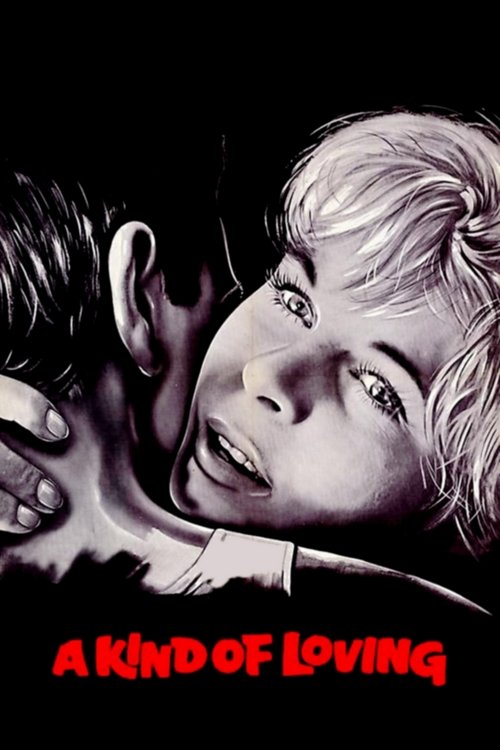
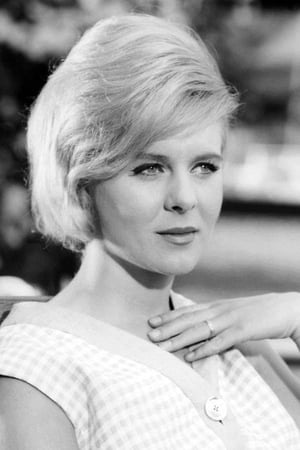
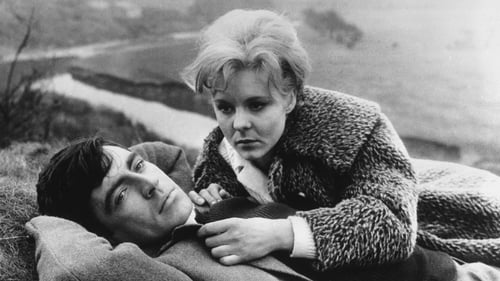
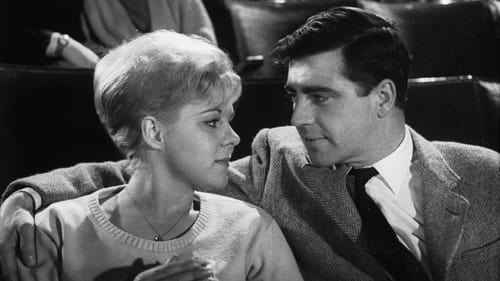
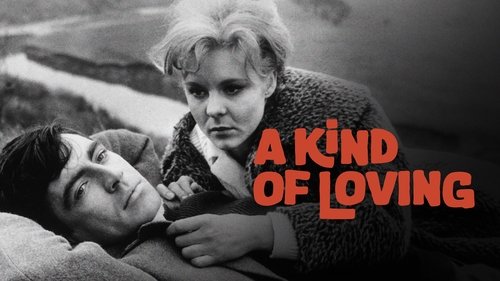
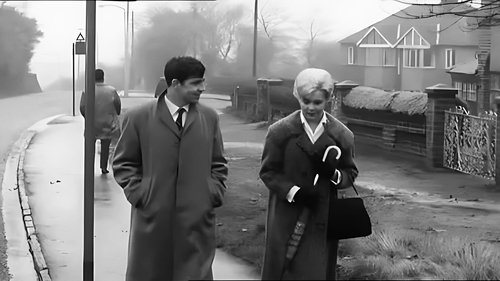
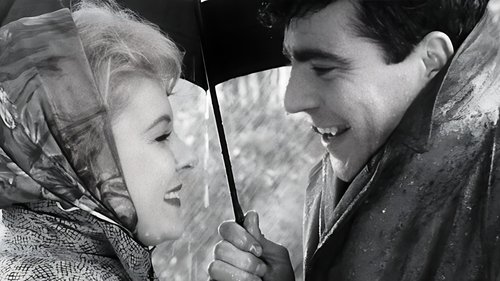
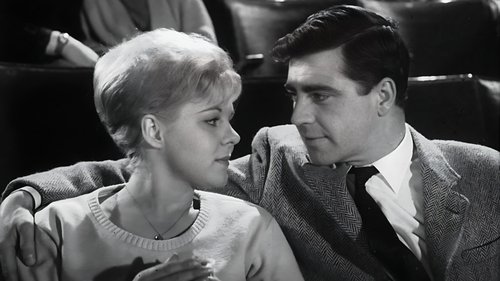
I can't say I was ever a great fan of Alan Bates, but he's really quite good in this - for the time - almost raunchy romantic drama. He is factory worker "Vic" who takes a bit of a shine to the shy "Ingrid" (June Ritchie) - well, she takes more of a shine to him, actually. What now ensues is a sort top-of-the-bus courtship, a movie, a snog on the beach and then... She becomes pregnant, a shotgun wedding follows and thought the pair do genuinely like one another, it's clear that there's some rather unpleasant writing on the wall. He's an ambitious character. His traditional working class roots are ones he wants to leave behind. His new family status makes him feel trapped and hemmed in. His future somehow snatched away from him. Needless to say, his character changes and that sets him at odds with his new wife - and with her mother (Thora Hird) who lives with them and rarely misses an opportunity to make her presence felt. How long can he tolerate this self-made scenario before something has to give? Bates convinces as his increasingly frustrated persona as does Ritchie whose character finds herself increasingly ostracised from an husband she loves but doesn't understand. Hird features sparingly but actually offers quite a cleverly constructed characterisation of either the interfering mother-in-law or the caring and responsible parent. That all depends on your perspective and though the story is definitely told from that of "Vic", I think John Schlesinger leaves enough ambiguity of loyalty for the audience to deal with. Though there's little graphic here that might have offended in 1962, the subject matter does challenge the ingrained societal approaches to marriage, to choice and to aspiration in quite a potent fashion and presents us here with a story that does take it's time to get going - but then, so do most romances!