










CinemaSerf
7
|
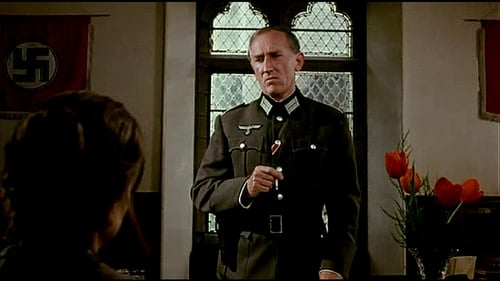
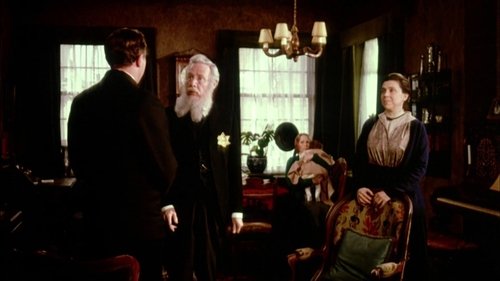
Jun 18, 2025
The Ten Boom family have been running their family clock-making shop in Amsterdam for many a-year until the Nazis arrive and send their lives into a downward spiral. These are principled Christian fellows, but they have great affinity with their Jewish compatriots and so as the oppression endures, they attempt to help smuggle people to safety. This, as you’d expect, exposes them to considerable risk and - a bit like Al Capone’s tax evasion, it’s a technicality that leads to them being apprehended. They need to feed their charges and so have accumulated a few extra ration books. That’s illegal and so used as an excuse to deport “Corrie” (Jeannette Clift) and “Betsie” (Julie Harris) to Ravensbrück. What now ensues has a brutality to it that reminded me very much of the later “Tenko” dramatisation as women prove to be every bit as evil in their treatment of their charges as any goose-stepping male SS officer could be. These women prisoners are treated harshly, starved and regularly beaten, but these two still rely heavily on their faith to see them through - despite that faith being challenged by their own suffering and by some more sceptical amongst them who question just why God might allow the persecution of innocent children to happen. Essentially, this drama is here to extol the values of the Christianity that gave the pair their strength, and insofar as it conveys a message then that is one of hope always triumphing over despair - however deep that despair might actually go. It looks authentic enough and the characterisation of sisterhood is powerfully presented as these women have to rally around each other in the face of unspeakable horror, but it’s a bit too wordy and for those of us with less (or no) religious faith it can appear a little naïve and simplistic but it’s always interesting to see films set in the occupied nations during WWII as these citizens have to live, survive even, and make uncomfortable compromises to put food on the table. A sort of damned if you do, shot if you don’t mentality prevailing that is always provocative to watch. The cast are solid, the aesthetic is efficient and though it has more of the look of a television movie to it, it is still quite poignant stuff to watch.