











Marco-Hugo Landeta Vacas
10
|
sep. 29, 2025
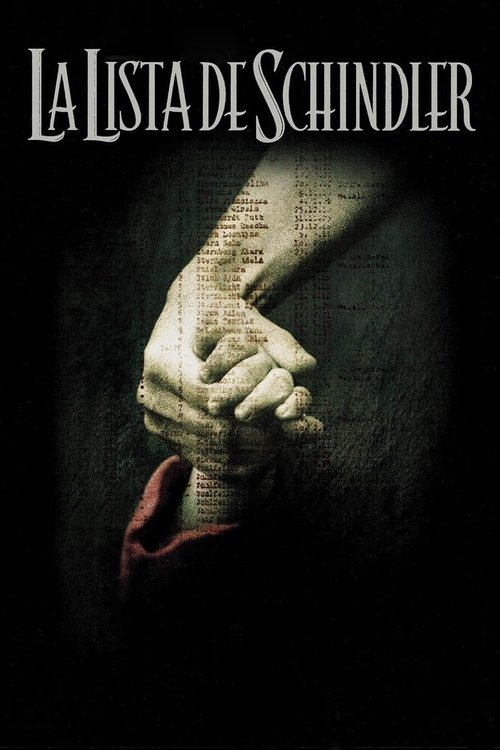
(CASTELLANO) Hay películas que van más allá del cine, y esta es una de ellas. La lista de Schindler no solo cuenta una historia, sino que se convierte en memoria y en testimonio. Spielberg afronta el Holocausto con una sensibilidad que estremece y, al mismo tiempo, con la claridad necesaria para que su mensaje trascienda generaciones. No es simplemente una narración; es un recordatorio de lo que ocurrió y de lo que nunca debe repetirse.
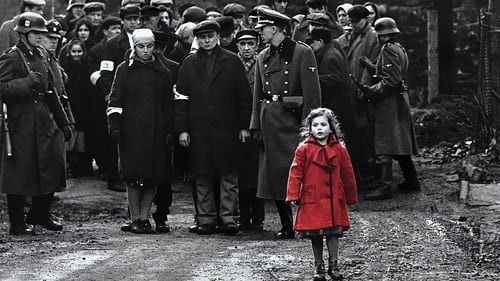
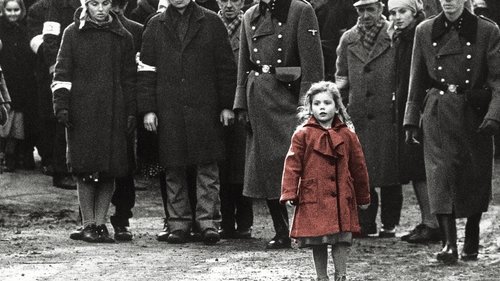
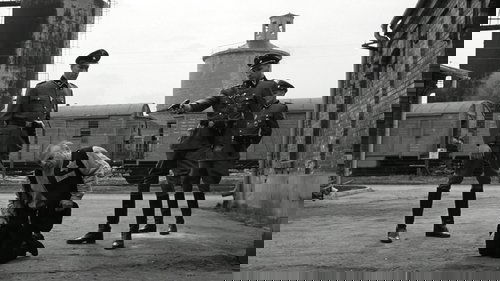
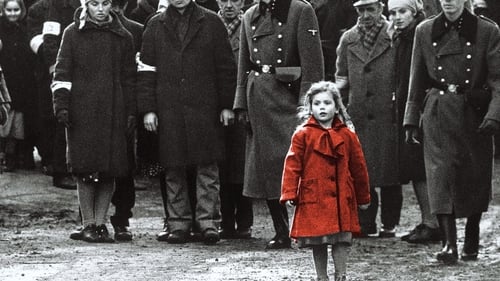
El blanco y negro potencia cada imagen, devolviéndonos la dureza de una época marcada por el horror. No hay artificios innecesarios: cada plano está al servicio de la verdad histórica. El ritmo, a pesar de lo extenso del metraje, nunca decae porque lo que se cuenta pesa demasiado como para permitir distracciones. El resultado es una experiencia absorbente que se instala en la memoria del espectador.
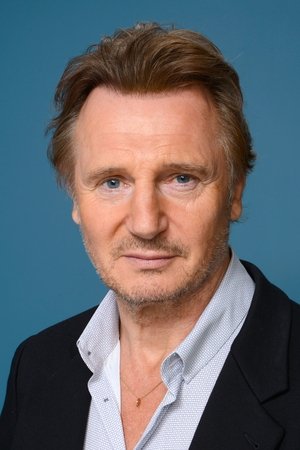
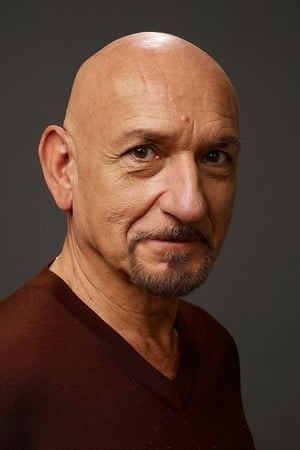
El trío protagonista brilla con fuerza. Liam Neeson dota a Schindler de una ambigüedad fascinante, un hombre capaz de moverse entre el interés propio y la conciencia moral. Ralph Fiennes encarna con una frialdad inquietante a la monstruosidad del nazismo, y Ben Kingsley aporta humanidad y equilibrio, cerrando un triángulo actoral difícil de olvidar. Las interpretaciones sostienen la grandeza del relato y le dan la carne y hueso que el espectador necesita para comprender la magnitud de lo que presencia.
Es una película dura, sin concesiones, que no busca adornar ni suavizar la tragedia. Su grandeza está en que no ofrece un espectáculo vacío, sino un cine que respeta a las víctimas y que utiliza el arte como vehículo de memoria. Cada escena transmite un peso emocional que va más allá de la pantalla y que conecta directamente con nuestra conciencia.
El mérito de Spielberg no es solo técnico —que lo es, y en grado sobresaliente—, sino ético y humano. Su obra consigue ser a la vez universal y profundamente personal. El legado que deja esta película es inmenso: un testimonio imborrable que convierte el dolor en memoria colectiva y el cine en un acto de justicia.
La lista de Schindler no es simplemente una obra maestra; es una obligación moral para quienes amamos el cine y creemos en su poder como herramienta de memoria. Una película que duele, conmueve y enseña. Y que, sobre todo, nunca se olvida.
(ENGLISH) Some films go beyond cinema, and this is one of them. Schindler’s List does not just tell a story; it becomes memory and testimony. Spielberg approaches the Holocaust with a sensitivity that shakes you to the core and, at the same time, with the clarity needed for its message to endure through generations. It is not simply a narrative; it is a reminder of what happened and what must never be repeated.
The black and white enhances every image, confronting us with the harshness of an era marked by horror. There are no unnecessary embellishments: every frame serves historical truth. Despite its long runtime, the pacing never falters because the weight of what is being told leaves no room for distractions. The result is an absorbing experience that stays with the viewer long after the credits roll.
The leading trio is outstanding. Liam Neeson gives Schindler a fascinating ambiguity, a man caught between self-interest and moral awakening. Ralph Fiennes chillingly embodies the monstrosity of Nazism, while Ben Kingsley adds humanity and balance, closing an unforgettable acting triangle. Their performances sustain the greatness of the story, grounding it in flesh and blood so the audience can grasp its full magnitude.
This is a harsh film, with no concessions, never seeking to soften the tragedy. Its greatness lies in the fact that it avoids spectacle and instead honors the victims, using cinema as a vehicle for memory. Each scene carries an emotional weight that extends far beyond the screen and speaks directly to our conscience.
Spielberg’s achievement is not only technical—though it is masterful in that regard—but also ethical and human. The film manages to be both universal and profoundly personal. Its legacy is immense: a testimony that turns pain into collective memory and cinema into an act of justice.
Schindler’s List is not just a masterpiece; it is a moral obligation for anyone who loves cinema and believes in its power as a keeper of memory. A film that hurts, moves, teaches, and above all, never fades.