Truthseekers: Episode list
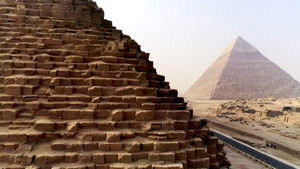
One of the seven wonders of the world, the Great Pyramid of Giza has always aroused much debate and investigation. The Truthseekers set out to separate fact from fiction.
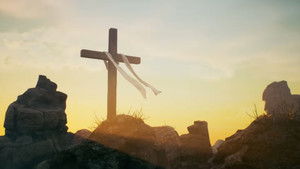
The Holy Grail, believed by many to be the cup that Jesus Christ drank from at The Last Supper, and that was used to collect Jesus's blood at his crucifixion, abounds with stories, and the truth seekers attempt to weed fact from fiction.
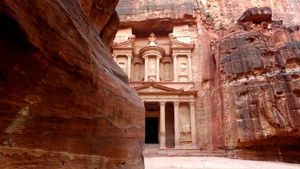
The Ark of the Covenant is thought to be an ornate, gold-plated wooden chest that is believed to have held the Ten Commandments that were given to Moses by God.
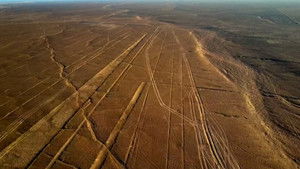
The massive Nazca lines were made by ancient people 2000 years ago and continue to exist without any damages to date. Scientists believe that the majority of lines were made by the Nasca people, who flourished from around A.D. 1 to 700.
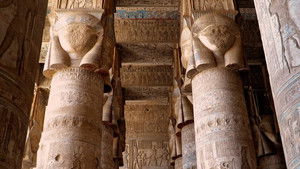
With unimaginable wealth and power, Cleopatra was a great woman of her era and one of the most iconic figures of the ancient world. A political genius, a brilliant academic with history-making alliances with Julius Caesar and Mark Antony.
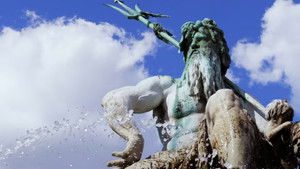
The idea of Atlantis - the "lost" island subcontinent often idealized as an advanced, Utopian society holding wisdom that could bring world peace - has captivated dreamers, occultists and New Agers for generations.
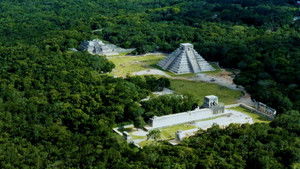
The main structure of Chichen Itza was built in 525 AC to honour Quetzalcoatl, the God of cultivation and land. Archaelologists travel to the Yucatan to explain how the Mayans lived.
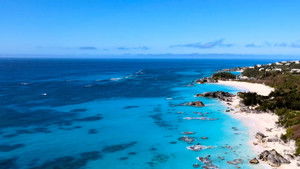
In the North Atlantic, a region bordered by Miami, Puerto Rico and Bermuda has come to be known as The Bermuda Triangle. Strange happenings, disappearances and unexplained sightings hold the worlds imagination.
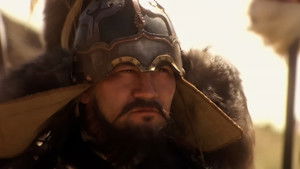
Ghengis Khan, a name revered by some and reviled by others. The Truthseekers look into the mystery surrounding the name.
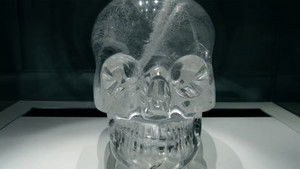
Myths and alleged facts about the Crystal Skulls abound in history. The Truthseekers team sets out to try and eliminate some of the fiction from actual facts.
On a remote desolate island in the South Pacific once lived an ancient civilisation that suddenly vanished and the Truthseekers try to find out why.
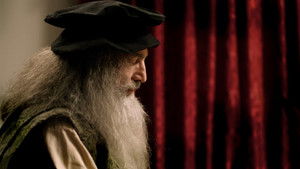
Nostradamus gained much fame with his book published in 1555 called 'The Prophecies'. In it he claimed to be able to predict historical events through celestial calculations, and the team puts this to the test.
The story of Mary Magdalene, who traveled with Jesus as one of his followers, witnessed Christ's crucifixion and the first witness to the Resurrection. She is known in some Christian traditions as the 'apostle to the apostles'.
Lifting curses apparently linked to the Egyptian pharaoh Tutankhamun claimed to cause bad luck, illness or death.
In 1532, Spanish conquistadors encountered the advanced Inca Empire, known for its vast road network, suspension bridges and Machu Picchu.
Explorers claim to have found Noah's Ark on Mount Ararat, but is it myth or historical truth?
The life and times of King Ramses II, who oversaw the construction of more monuments and sired more children than any other Egyptian king.
The 10 plagues of Egypt, which saw water turning to blood, frogs, lice, flies, livestock pestilence, boils, hail, locusts, darkness and the killing of firstborn children. As detailed in the Bible, they were sent by God to convince Pharaoh to free the Israelites.
Dr. Fern Riddell and Dr. Karen Bellinger examine the historic belief by some Europeans in the 16th and 17th centuries, that somewhere in the New World is a place of immense wealth known as El Dorado. Many explorers were led on fruitless treks into the rainforests and mountains of South America, in search of this lost city of gold.
Dr. Fern Riddell and Dr. Karen Bellinger examine the reasons for the apparent rapid collapse of the Western Roman Empire in the fifth century, specifically from 476AD. Did it fall, or was it pushed?