Red dead Redemption 2: Episode list

The gang fights the elements as much as the law. Arthur emerges as the reliable backbone while Dutch sets the tone: hopeful words in hopeless conditions.

A hunting trip doubles as a quiet character study. Arthur and Charles bond over survival — and the weight of the past.

An old rivalry resurfaces, proving that grudges don’t freeze just because the world does.

Food shortages, tension, and small victories underline how fragile this group really is.
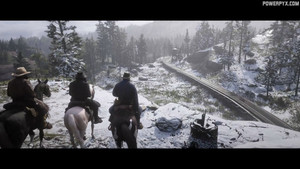
The consequences of earlier choices finally arrive, bigger and richer than expected.
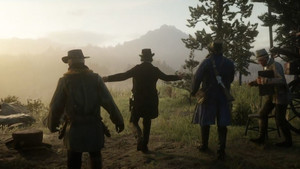
The thaw brings movement — and the promise of something better.

The gang tests its luck in a lively frontier town. Civilization and chaos collide.
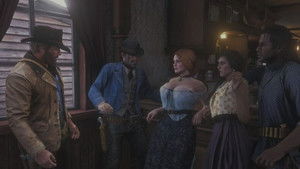
A “simple night out” becomes a defining legend, revealing how little the gang fits into the modern world.

Hosea and Arthur play con men, showing the gentler side of outlaw life.
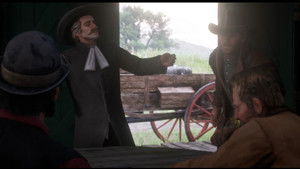
Arthur tries to help someone who doesn’t want saving.
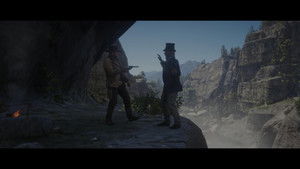
Old enemies remind the gang that peace is temporary.
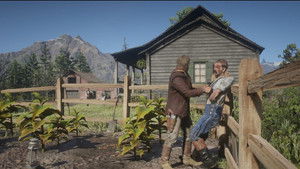
Arthur is sent on what should be routine business. The job is ugly, personal, and immediately uncomfortable.
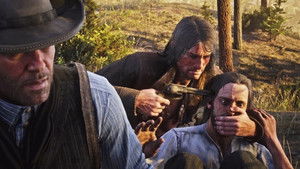
Old enemies remind the gang that peace is temporary.
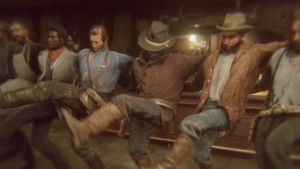
Friendship, alcohol, and consequences spiral wildly out of control.

A dangerous ally re-enters the picture, changing the group’s chemistry.
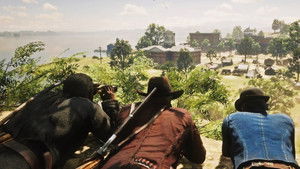
Rescuing one of their own reinforces loyalty — and recklessness.
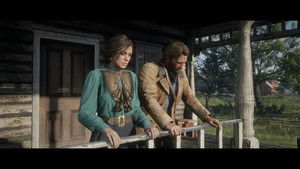
Arthur confronts a life he might have had.
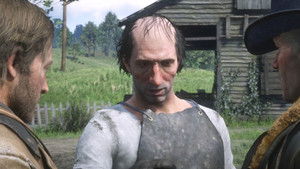
Arthur teams up with Hosea for a clean, clever robbery — the kind that feels almost old-fashioned. No chaos, no grand speeches, just two experienced outlaws doing what they do best.
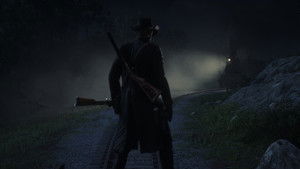
A bold plan brings confidence, money, and attention the gang can’t afford.
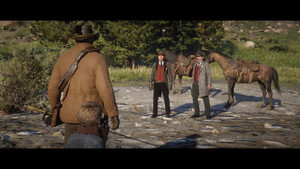
A peaceful outing turns into a sharp reminder of who they are.
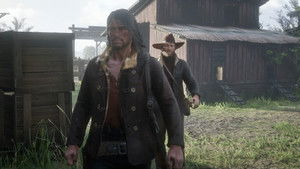
What starts as a bold, well-planned job unfolds under public eyes — loud, risky, and impossible to hide. The gang leans fully into spectacle, convinced that control and confidence are enough to bend the city to their will.
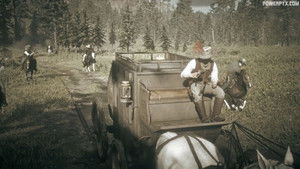
For a moment, everything works — which makes it terrifying.
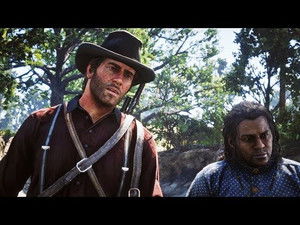
Arthur encounters someone whose situation is small on the map but large in human consequence.

The gang hides in plain sight, pretending to belong.

Sadie steps into her own kind of strength.

Arthur plays matchmaker (or mediator) in a situation where hearts and egos collide. On the surface, it’s playful and a little awkward, but underneath, it shows the personal lives of the people around the gang — lives complicated by love, jealousy, and societal expectation.
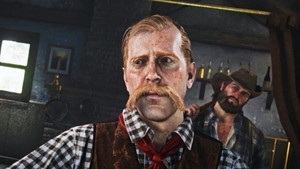
Small-time schemes start attracting big-time trouble.
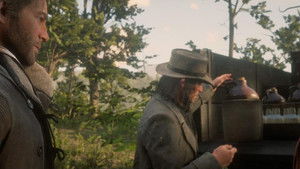
Crime gets cleaner, colder, and more professional.
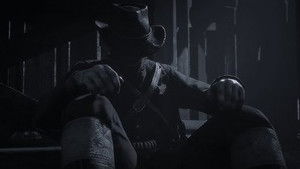
Arthur finds himself in a situation where a seemingly small misstep spirals into complications for others. The episode is not about action or spectacle but about cause and effect — showing how quickly morality, loyalty, and human error collide in the world of outlaws.
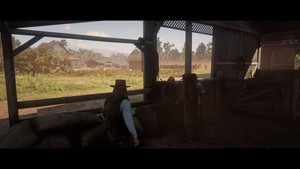
Big rewards, hollow triumphs.

Arthur is sent on what seems like a straightforward task, but it quickly becomes a lesson in observation, judgment, and human behavior. While low on gunfights, the episode is high on tension: every choice feels like it could have unseen consequences.

Arthur takes on a task that’s deceptively simple, but every interaction carries weight. The episode leans into morality and consequence, showing how even well-intentioned actions ripple outward in unexpected ways. It’s low on action, high on tension, and quiet in its emotional delivery.
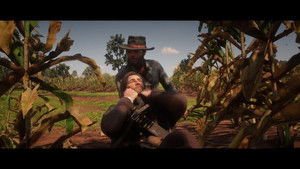
Arthur is tasked with a job that’s less about brute force and more about observation, timing, and subtle manipulation. The mission plays like a mini heist in miniature — clever, low-key, and quietly stressful. While it doesn’t feature large-scale action, the tension comes from the stakes of planning and human unpredictability.
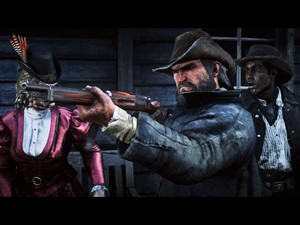
Arthur gets involved in a situation where choices are messy and consequences ripple outward. On the surface, it feels like a straightforward confrontation, but the episode is really about morality, responsibility, and unintended fallout. It’s tense, deliberate, and quietly unsettling.

Arthur is sent to resolve a conflict, but the mission is less about force and more about judgment, diplomacy, and empathy. Every interaction matters, and the episode leans on tension and moral complexity rather than gunfights.
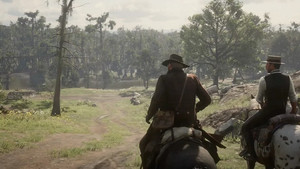
Arthur is caught navigating a situation where loyalties are tested and the wrong choice could have serious consequences. The mission is low on spectacle but high on narrative tension, as every action feels morally and strategically significant.

The gang enters a seemingly quiet town with a mission that promises precision, but tension simmers beneath the surface. Every decision and misstep carries weight, and the calm of the town is deceptive. What begins as a careful operation quickly becomes a high-stakes drama, where small errors ripple into larger consequences.
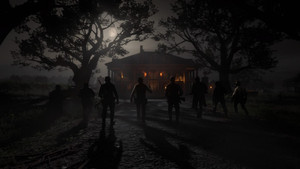
Old rivalries come to a head as the gang confronts lingering grudges and simmering tensions in the region. What begins as a pursuit of resolution quickly escalates into a collision of history and violence, where every action echoes past conflicts.
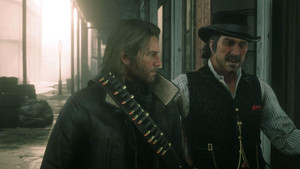
The gang ventures into a bustling city, a world of wealth, appearances, and social hierarchies that contrast sharply with their rougher existence. What begins as an attempt to navigate urban life quietly spirals into tension, as small missteps and human unpredictability quickly escalate.

The gang steps into the opulent world of Saint Denis, where wealth and influence mask danger. Arthur meets a man whose charm and apparent honour conceal darker motives. The episode is a slow-burning study of power, manipulation, and moral compromise, as the gang navigates a world where every word and gesture carries weight.
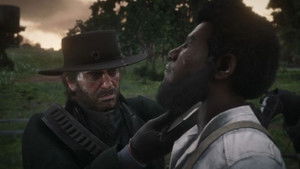
The gang faces a situation where loyalty, pride, and personal codes collide. What begins as a negotiation quickly escalates into a test of character, as small choices have outsized consequences. The episode leans heavily on dialogue, tension, and character interaction, building suspense without needing spectacle.

Arthur is confronted with the fragility of life and the personal consequences of the path he’s chosen. This episode is less about external conflict and more about introspection and human connection. It explores hopes, responsibilities, and the weight of caring for others in a world that often punishes kindness.
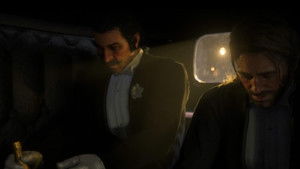
Arthur and the gang navigate a world of wealth, politics, and influence, where appearances mask danger and every interaction carries weight. The episode is less about overt action and more about maneuvering through social expectations, obligations, and hidden threats, as alliances and tensions within the gang and the city collide.

The gang dives into Saint Denis’ nightlife, navigating glittering facades, indulgence, and hidden danger. What begins as a night of apparent revelry quickly exposes the tension, deception, and stakes lurking beneath the city’s polished surface. Every interaction carries subtle consequences, blending suspense with dark humour and social critique.

The episode follows the gang as their actions begin to catch up with them, and the consequences of past choices come sharply into focus. Everything feels urgent and precarious, with loyalty, pride, and vengeance colliding in high-stakes encounters. The tension is as much about moral pressure as external danger.
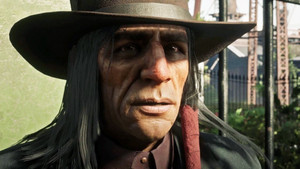
Arthur confronts the consequences of loyalty, responsibility, and the weight of leadership in a fractured world. The episode balances quiet character moments with tension-filled interactions, showing how personal choices reverberate outward. Themes of family, honor, and duty intertwine, creating a morally layered and emotionally resonant story.
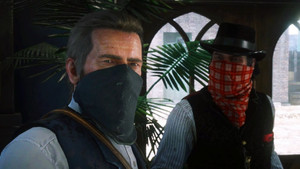
The gang navigates the city’s nightlife, where charm, wealth, and influence mask danger. The episode emphasizes character interactions and moral choices over spectacle, showing how social dynamics, ambition, and personal desires collide in a morally gray environment. Arthur is challenged to balance pragmatism, loyalty, and conscience in a world where appearances are deceptive.

The gang operates in the countryside, where open spaces hide subtle dangers. The episode is less about overt conflict and more about strategy, moral judgment, and interpersonal tension. Arthur’s choices and interactions carry weight, highlighting the tension between survival, loyalty, and conscience in a world on the brink of collapse.
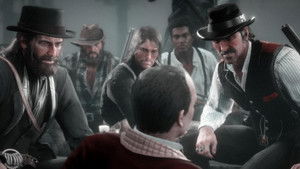
Old scores come to the forefront as Arthur confronts enemies and unresolved conflicts. The episode is a careful balance of personal stakes, tension, and moral reflection, showing how vengeance and justice intertwine in a world where lines between right and wrong are blurred.

The gang plans and executes a high-stakes operation in the heart of a bustling town, where timing, precision, and trust are everything. The episode focuses on tense planning, interpersonal dynamics, and the moral weight of drastic actions, balancing adrenaline with character-driven storytelling.

The gang faces a world that feels increasingly unforgiving, where every choice carries consequences. This episode emphasizes personal stakes, loyalty, and moral judgment, showing how the characters confront a rapidly changing landscape and the outcomes of past actions. There’s tension and suspense, but the real drama comes from character decisions and their ripple effects.

The episode centers on confrontation, revenge, and the unraveling of tensions within and around the gang. It’s a morally charged story where every decision carries weight, and characters are forced to confront the outcomes of their past actions. The suspense is relentless, and the emotional stakes are at their peak.
The episode explores leadership, loyalty, and the consequences of authority, as the gang faces difficult choices under pressure. What begins as a tense operation or negotiation quickly reveals the cracks in trust, the costs of ambition, and the moral compromises demanded by survival. Every character’s motivations are tested, and the tension is both internal and external.

Tensions explode as the consequences of past choices catch up to the gang. Every relationship, decision, and act of loyalty is tested under extreme pressure. This episode is both action-driven and emotionally heavy, blending high-stakes confrontations with the deep moral and personal dilemmas the characters have been facing all season.
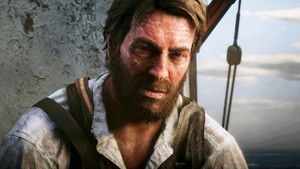
The story reaches its peak as the consequences of the gang’s choices come full circle. Tensions, betrayals, and loyalties converge, forcing characters to confront the weight of their past actions and the reality of their world. This episode leans heavily on emotion, moral reckoning, and character resolution, making it a powerful, poignant finale to the main story arc.

Following the main story’s climax, the focus shifts to observation, contemplation, and the aftermath of choices. The episode centers on Arthur (or John, depending on perspective) as he navigates a quieter world, reflecting on past events and the people around him. It’s less about action and more about moral and social commentary, almost like a slow, character-driven letter to the world itself.
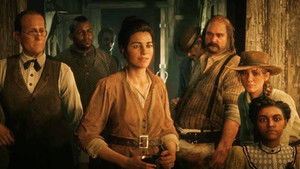
Set amid the gang’s tense but temporarily settled period, this episode is a quiet, human-focused interlude. Arthur navigates moments of calm and small joys, often contrasted with the moral and social tension simmering around him. While the city’s bustle and gang politics continue in the background, the episode focuses on personal reflection, fleeting happiness, and subtle human connections.
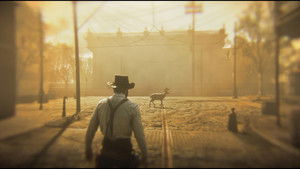
As the gang faces increasing pressure from outside forces, this episode focuses on critical decisions, moral dilemmas, and the growing tension within the group. Arthur finds himself at pivotal crossroads, forced to weigh loyalty, pragmatism, and personal ethics. While outward conflict simmers, the real drama is in the choices characters make and their potential fallout.
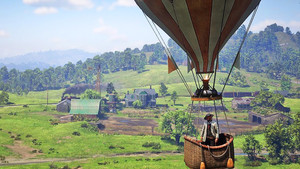
The gang navigates social and moral pressures as ambitions and egos collide. The title hints at the danger of overreaching, and the episode balances personal choices, loyalty, and subtle consequences. While the stakes aren’t explosive, the tension is constant, as characters’ actions ripple across relationships and set the stage for the looming crises in Beaver Hollow.
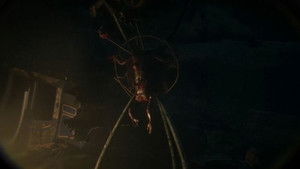
The gang ventures into dangerous, lawless territory, where the landscape itself feels threatening and the moral stakes are high. The episode emphasizes survival, mistrust, and the unpredictability of the world outside the city, as Arthur and the others navigate both physical and ethical challenges. It’s less about outright conflict and more about tension, decisions, and consequences lurking in the shadows.
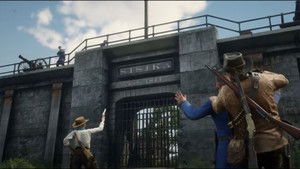
This episode focuses on Arthur navigating personal and moral encounters in the quieter corners of the world, even as the larger tensions of the gang and city life loom overhead. It’s a story of observation, subtle confrontation, and the human cost of past actions, with moments of quiet suspense punctuating character interactions.

The gang navigates the city’s social and political landscapes, attending events and interactions that are outwardly civilized but layered with hidden tensions and unspoken stakes. Arthur observes, negotiates, and weighs his choices, understanding that in this world, every polite interaction can carry danger or moral compromise. The episode emphasizes character dynamics, subtle intrigue, and the consequences of social maneuvering.
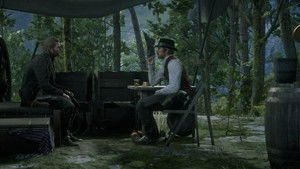
The story escalates as Arthur faces mounting pressures from both external enemies and internal gang conflicts. The episode is emotionally heavy, showcasing the destructive side of human anger and the moral weight of retaliation. While action and tension are present, the real drama comes from choices, consequences, and the unravelling of trust and loyalty within the group.
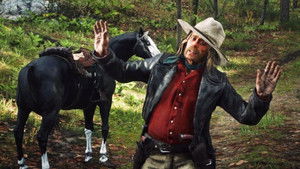
The gang ventures into the lawless, chaotic town of Van Horn, a place where the veneer of civility barely exists. The episode emphasizes mischief, moral ambiguity, and character interactions, highlighting the world’s unpredictability and the sometimes absurd consequences of choices. While lighthearted moments appear, tension and danger lurk beneath, giving the episode a darkly humorous but uneasy edge.
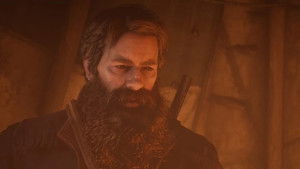
The gang—and Arthur in particular—explores forgotten places, hidden histories, and the traces of past lives. The episode emphasizes curiosity, reflection, and the small joys of discovery. While the world outside remains tense and morally complex, this story is slower, quieter, and almost meditative, allowing for moments of wonder and character reflection.
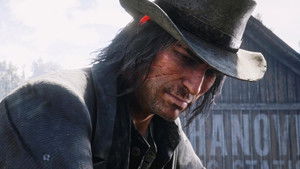
Set in a remote and dangerous stretch of land, the gang faces physical and moral challenges that highlight both the unpredictability of the world and the consequences of past decisions. The episode alternates between suspenseful sequences and quiet, character-driven reflection, emphasizing Arthur’s growing awareness of how fragile control and morality really are.
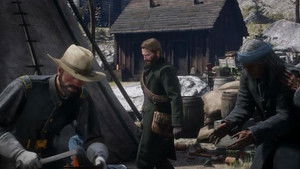
The gang navigates the murky line between survival, loyalty, and betrayal. While outwardly operating under a veneer of camaraderie, underlying tensions and moral compromises simmer just beneath the surface. The episode emphasizes choices, loyalty tests, and subtle conflicts, showing that even in a group bound by shared survival, honor is fragile.
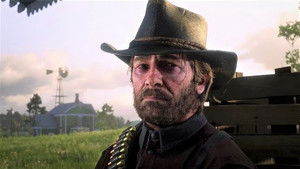
This episode revolves around Arthur and the gang navigating the delicate politics and social dynamics of Saint Denis. On the surface, it’s about polite interactions, negotiation, and appearances—but beneath, tension simmers, loyalties are tested, and hidden agendas bubble under the surface. The drama comes from what’s said, unsaid, and implied, making every encounter a moral and emotional negotiation.

This is a quiet yet emotionally charged episode, focusing on farewells, the consequences of past actions, and the fragility of life. While external tension still simmers, the core drama comes from Arthur and others confronting loss, moral reckoning, and the emotional cost of their choices. It’s a story of reflection, humanity, and the quiet weight of endings.

This episode focuses on Sadie Adler’s personal evolution after tragedy, highlighting her growing strength, independence, and moral resolve. While the gang faces tension in Saint Denis, the story zeroes in on her character journey, showing how grief and loss can forge resilience and determination. It’s a mix of subtle suspense, character reflection, and empowerment drama.

In this episode, the gang navigates alliances, favors, and the delicate balance of loyalty versus ambition. While some interactions are outwardly cordial, underlying tensions and hidden motives create a slow-burning drama. The episode emphasizes trust, betrayal, and the consequences of favoritism, showing that even small advantages can have significant ripple effects.

Set against the backdrop of the gang’s growing pressures, this episode focuses on family, legacy, and the consequences of ambition. Arthur and others are forced to navigate social and moral expectations while confronting the personal cost of loyalty and reputation. The drama comes less from action and more from dialogue, moral reflection, and character interactions.

This episode centers on loss, legacy, and the personal cost of the gang’s lifestyle. Arthur and others confront the emotional and moral consequences of their past actions, emphasizing reflection, loyalty, and the human cost of survival. While not action-heavy, the tension comes from moral reckoning and the fragility of life, making it a quietly powerful installment.
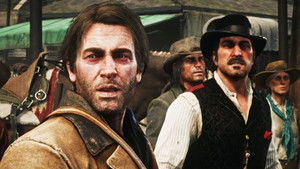
This story focuses on Arthur and the gang confronting what it means to act with integrity, loyalty, and personal honor. While external threats still exist, the drama comes from internal conflicts, moral dilemmas, and reflection on past choices. It’s an introspective episode that emphasizes how far individuals can—or cannot—live up to their ideals in a morally messy world.

This is the emotional and narrative apex of the story, where all threads—loyalties, betrayals, personal choices, and consequences—come to a head. Arthur and the gang face the ultimate stakes, and the episode is as much about moral reckoning and reflection on the human cost of survival as it is about final confrontations. It blends quiet, reflective moments with tension and resolution, giving the story a weighty, unforgettable closure.
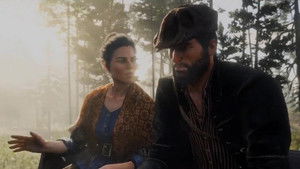
John Marston steps into the aftermath of the Van der Linde gang’s collapse, tasked with rebuilding a semblance of life for his family. This episode focuses on reconnection, unfinished business, and the lingering consequences of a lawless world. While the pace is quieter than the main story, tension simmers as John navigates old debts, fragile alliances, and moral choices, showing how the past refuses to let go.
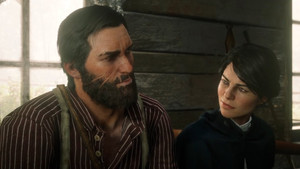
John Marston begins to settle into a more ordinary life, trying to find moments of peace and stability while still navigating the lingering consequences of his past. The drama is more emotional and situational than action-packed, emphasizing family, moral responsibility, and personal reflection. While the pace is gentle, there are small tensions that hint at unfinished business from the gang’s past.
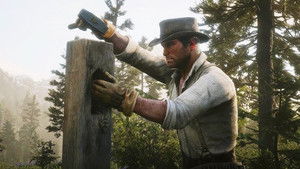
John takes his first steps toward building a stable life on the farm, learning the challenges of honest work and domestic responsibility. While the world outside still holds threats and moral choices, this episode focuses on growth, patience, and the small victories of everyday life. The tension is quiet, coming from the struggle to adapt and the lingering consequences of the past, while moments of humor and warmth lighten the emotional weight.
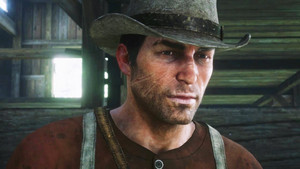
John Marston faces the full weight of responsibility and legacy, striving to provide for his family while reconciling with the past. The drama is emotional and situational, focusing on family, personal growth, and the lasting consequences of earlier choices. Moments of quiet reflection are punctuated by subtle tension, as the world reminds John that life after the gang is not without challenges.
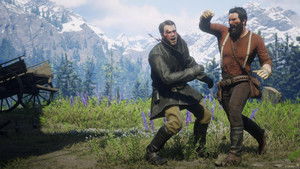
John Marston continues adjusting to life outside the gang, but old ways and lingering dangers remind him that the past isn’t easily left behind. The drama is both internal and situational, as John struggles with habitual instincts, moral choices, and protecting his family. While quieter than the main story, there’s a persistent tension beneath domestic life, showing how hard it is to truly escape the life of an outlaw.
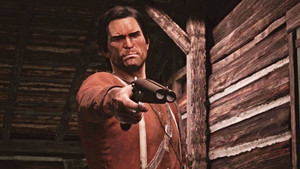
In this episode, John Marston encounters trouble from lingering outlaws and old enemies, highlighting that the past doesn’t fully let go. The story blends quiet tension, moral choices, and subtle action, showing John navigating danger while trying to maintain a stable life for his family. The stakes are smaller than the main story but personally significant, emphasizing character growth and reflection.
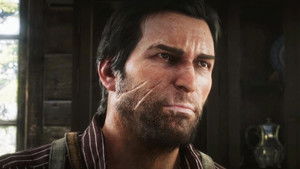
John Marston fully embraces the challenges and responsibilities of fatherhood, navigating the trials of family life, legacy, and morality in a world that still has echoes of his past. The tension is mostly emotional and situational, highlighting the struggle to balance personal growth, domestic duties, and the consequences of a former outlaw life. Moments of humor and warmth contrast with underlying bittersweet reality.
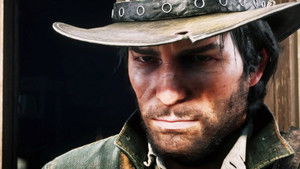
While John focuses on fatherhood and settling the past, this episode highlights Abigail’s struggles and triumphs as a mother. The story explores her resilience, moral choices, and the challenges of protecting her family in a world still echoing with the gang’s consequences. It’s a quieter, reflective story, heavy on emotional stakes and character depth.
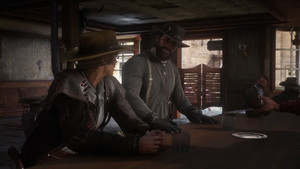
John Marston begins to establish a sustainable livelihood, facing the realities of hard work, moral choices, and supporting his family. The tension is subtle—coming from both lingering dangers of the past and the challenges of responsible adult life. The episode is character-driven, with humor, warmth, and quiet reflection woven through John’s adjustment to a lawful, domestic routine.
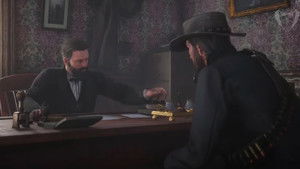
John Marston navigates the challenges of society and work outside the gang, visiting areas and people connected to civilized life and new opportunities. While the stakes are smaller than the main story, the drama comes from moral choices, social navigation, and the subtle tension of old conflicts resurfacing. It’s a story about adaptation, survival, and understanding the world he now inhabits.

John steps into local social interactions, navigating challenges that are both physical and moral, while balancing the needs of family and the demands of a changing world. The episode mixes quiet tension, personal reflection, and moments of camaraderie, showing how John’s past skills and instincts interact with his new life. It’s a story about friendship, loyalty, and subtle lessons learned from experience.
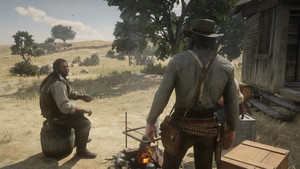
John turns his attention to practical life at the farm, repairing, maintaining, and improving the homestead. While the pace is slow, the episode balances reflective character moments with subtle tension from lingering dangers or past obligations. It’s about learning patience, responsibility, and the satisfaction of building a stable life, with touches of humor as John navigates challenges he’s never faced in his outlaw days.

John Marston fully commits to building a life of honest work, navigating the rhythms of the farm and his community. The episode is character-driven and reflective, focusing on personal growth, family ties, and the satisfaction—and challenges—of lawful labor. While quieter than the main story, there is gentle tension in balancing responsibility, lingering past threats, and moral choices, giving the story emotional depth.
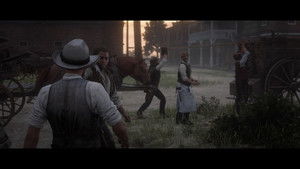
John Marston focuses on practical work around the homestead, learning that life after the gang involves patience, effort, and subtle problem-solving. The tension is low, but there are moments of moral and personal reflection, showing how past experiences shape present responsibilities. Humorous touches emerge as John navigates domestic challenges unfamiliar to an outlaw.

John Marston and his family experience the rewards and challenges of a life built on lawfulness, labor, and personal growth. This episode emphasizes hope, legacy, and the consequences of past choices, showing the full emotional weight of John’s journey from outlaw to family man. While calmer than the main story, it is emotionally charged, providing reflection on everything that came before.

John Marston finds himself helping an old ally, balancing the demands of friendship, loyalty, and family responsibilities. While the stakes are smaller than the main story, this episode is rich in character moments, showing how past bonds continue to influence his present. Humor and subtle tension arise from unexpected complications, and John’s moral choices remain central.

John and his family deal with unexpected small disasters and Uncle’s misadventures, balancing humour, mild tension, and reflection on life after the gang. While stakes are low, the episode is rich in character moments, showing how each member of the Marston family adapts to domestic life. It’s a lighter, heart-warming beat in the epilogue that contrasts with the more serious earlier arcs.
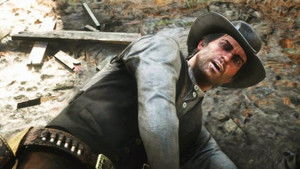
John faces a larger-than-life problem or antagonist, testing his skills, patience, and moral choices in a world he’s trying to live peacefully within. While he is mostly focused on family and rebuilding life, the past still throws challenges his way, blending tension, clever problem-solving, and personal stakes. This episode is a character-driven thrill ride, showing that even in a more peaceful life, John’s old instincts and sense of justice can’t be fully retired.
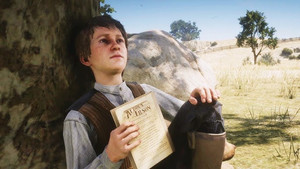
John encounters setbacks in his attempts to live a peaceful life, whether in domestic duties, family responsibilities, or lingering consequences of the past. The tension is subtle and personal, focusing on resilience, patience, and learning from mistakes. It’s a reflective episode that blends quiet humor, family moments, and character growth, emphasizing that life after chaos is a process, not an instant resolution.

John, Abigail, and Jack look forward to a life shaped by their choices, work, and family bonds. The episode focuses on hope, legacy, and the consequences of past actions, blending quiet reflection with emotional closure. It emphasizes that while life is never perfect, the Marstons are building something meaningful together. The story is calm yet deeply affecting, offering a satisfying conclusion to the journey from chaos to domestic life.
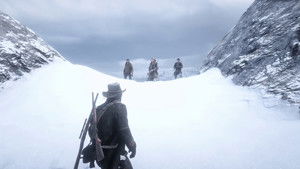
As tensions reach a breaking point, Dutch’s gang faces internal conflicts and external pressures, and John and Arthur navigate situations that test loyalty, morality, and survival instincts. The episode is full of intense personal confrontations, strategic decisions, and moments of reflection on the cost of the gang’s lifestyle. It balances high drama with emotional resonance, showing the consequences of past actions catching up to the characters.