












CinemaSerf
7
|
Dec 12, 2025
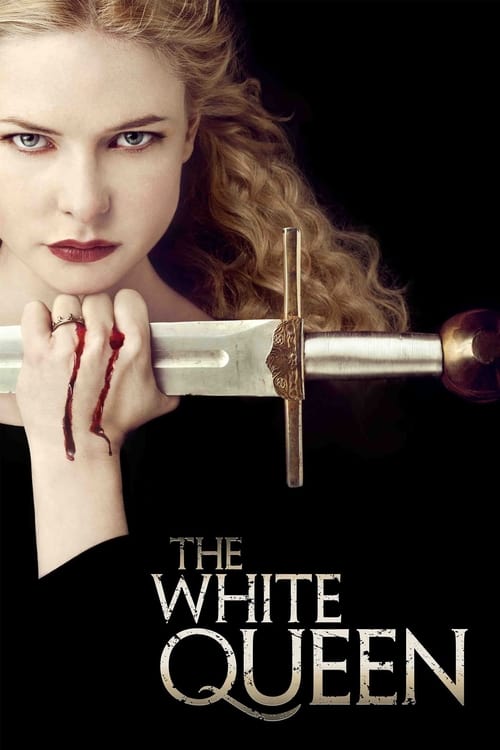
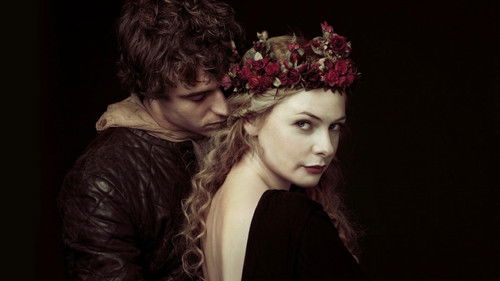
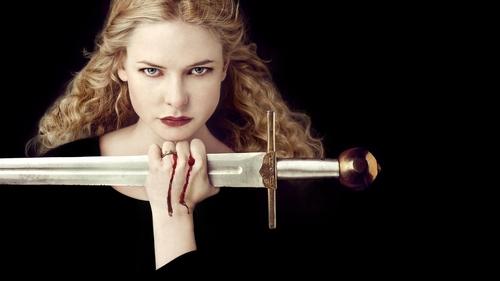
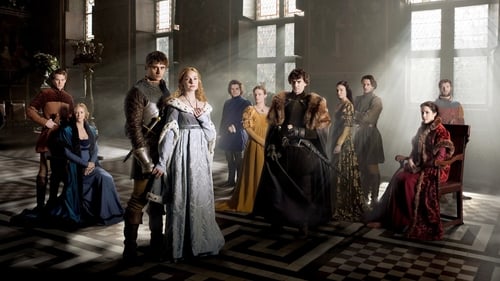
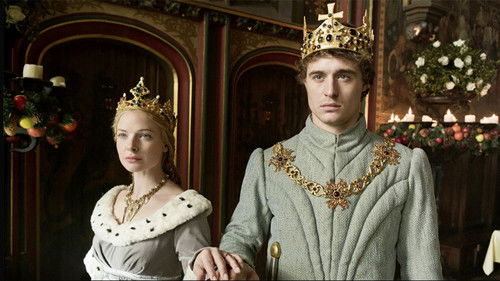
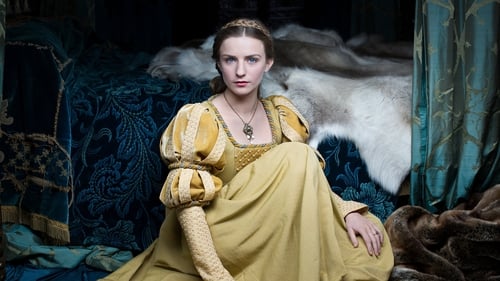
With the deposition of Henry VI, England’s 15th century Wars of the Roses have seen the Yorkists triumph over the Plantagenets and the young Edward IV (Max Irons) claim the throne. With just one more battle required to clinch his victory, he is riding through the countryside with his king-making Earl of Warwick (James Frain) when he encounters the Lady Elizabeth Grey (Rebecca Ferguson) who implores him to return her late husband’s lands. He’s impressed by her courage and enraptured by her beauty, and so despite the protestations of the Earl, he embarks on a relationship that sees her crowned Queen. Just because she has the throne, however, it doesn’t mean that she is accepted by the aristocracy or by her new family, and that becomes clear when the enmity of her new mother-in-law, the Duchess Cecily (Caroline Goodall) and of his brother George, Duke of Clarence (David Oakes) begins to embroil her in a series of duplicitous politicking that sees Warwick and her husband try to manoeuvre and out manoeuvre each other, egged on by players from France, Normandy and Burgundy. This is a period of history rich in intrigue and betrayal, where oaths mean little and family even less when the kingdom is at stake. Ferguson impresses here, and there’s an engaging chemistry between her and both Max Irons and Janet McTeer who, as her mother Jacquetta, introduces something of the superstitious to the plotting. The casting of Oakes and Aneurin Barnard as the brothers doesn’t fare quite so well, indeed Oakes really does disappoint as the conniving Clarence but as this is essentially a drama about the women in and around power at the time, that’s more than compensated by the likes of Amanda Hale’s Lady Margaret Beaufort; Veerie Baetens’s quite menacing Margaret of Anjou (wife of the deposed monarch) and both Eleanor Tomlinson and and Faye Marsay as the Warwick daughters brought into the game by their ever more manipulative father. It’s a classy looking enterprise with plenty of attention to the details of the production and though it is largely speculative and challenges many a more purist approach to what might be considered the “true” history of these events and people, this is a superior fact-based fiction that tells of a love story struggling to survive.