










CinemaSerf
6
|
Feb 13, 2026
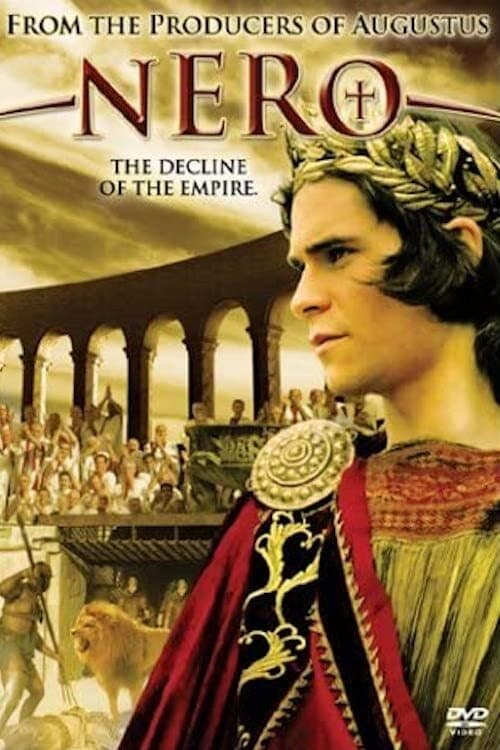
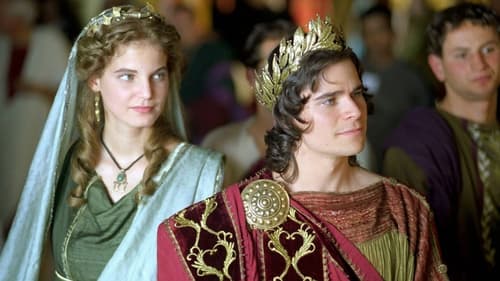
Confidently following in the footsteps of Sir Peter Ustinov and Klaus Maria Brandauer was always going to be a tough ask, and sadly Hans Matheson isn’t really up to it. To be fair, that isn’t entirely his fault. This whole meandering drama tries to abridge it’s Robert Graves and it’s Suetonius into three hours and that was simply never going to be enough airtime to do justice to all the plotting and depravity of the Neronic reign by itself, let alone try to incorporate aspects from those of Caligula (John Simm) and Claudius (Massimo Dapporto) into it, too. Curiously, the thrust of much of this seems to want to suggest that after Nero saw his father’s head on a plate and his mother banished to Ponza whilst he was at a formative age, he was really just a poor misunderstood lad whose only wish in life was to settle down with the slave “Acte” (Rike Schmid) and live out his life as a farmer. It’s only when his uncle Claudius accedes and brings his mother and himself back to court that he realises that he can’t marry the plebeian “Acte” and he starts to turn into a fire-razing monster. Helping him along that particularly menacing Appian Way is malevolent senator “Septimus” (Ian Richardson), Praetorian Prefect Tigellinus (Mario Opinato) and an Agrippina desperate to make sure that he succeeds the emperor - regardless of the wishes of his children Britannicus (Francesco Venditti) and Octavia (Vittoria Puccini) who appears to have taken quite a shine to her increasingly more megalomaniac step-brother. Despite some decent names amongst the cast, this just lacks vitality. The fourteen years of his rule were supposed to be the epitome of debauchery, incest, bloodlust, fiddling and Christian scorching, but all of these appear to have been sacrificed for it’s PG-13 rating. It does look like some effort has gone into the design of the film, and barring the fairly obvious budget CGI it looks fine, but it lacks that sense of sumptuous excess it needed to engage. In the end it’s the lead that lets this down delivering an underwhelming character deserving way more of our pity than our fear and loathing. Pity, his is a great story to get our teeth into.